

The Project


Trademarks and industrialization in Italy (1860s-1960s)


The PRIN 2022 project entitled Trademarking Made in Italy. Trademarks and industrialisation in Italy (1860s-1960s) involves the Universities of Brescia (Department of Economics and Management) and Parma (Department of Economics and Business), the University of Pisa (Department of Economics and Management) and Sapienza University of Rome (Department of Planning, Design and Architectural Technology). Using trademarks as the main historical source, the working group aims to provide new interpretative perspectives on the more general process of Italian economic development, with particular attention to the process of industrialisation and the relationship between businesses and markets. Studies conducted in other countries have shown that trademarks provide information of great interest to economic and business historians, which is useful for exploring many issues that are currently at the centre of scientific debate. In the century following political unification (1861), approximately 132,000 trademarks were registered. To these must be added over 33,000 foreign trademarks, for a total of over 165,000 records catalogued by the PRIN project, with approximately three million pieces of information in total. The registration applications are kept at the Central State Archives (Rome), which has digitised those submitted and approved between 1868 (the year the first trademark law of the newly formed Kingdom of Italy came into force) and 1965 (to date, the last year partially covered by digitisation). Adopting an approach focused on economic and business history, but also involving scholars from other disciplines, the project aims to enrich the debate on innovation by capturing the interest of a wide and not necessarily specialised audience.


OVERVIEW OF ITALIAN ECONOMIC DEVELOPMENT
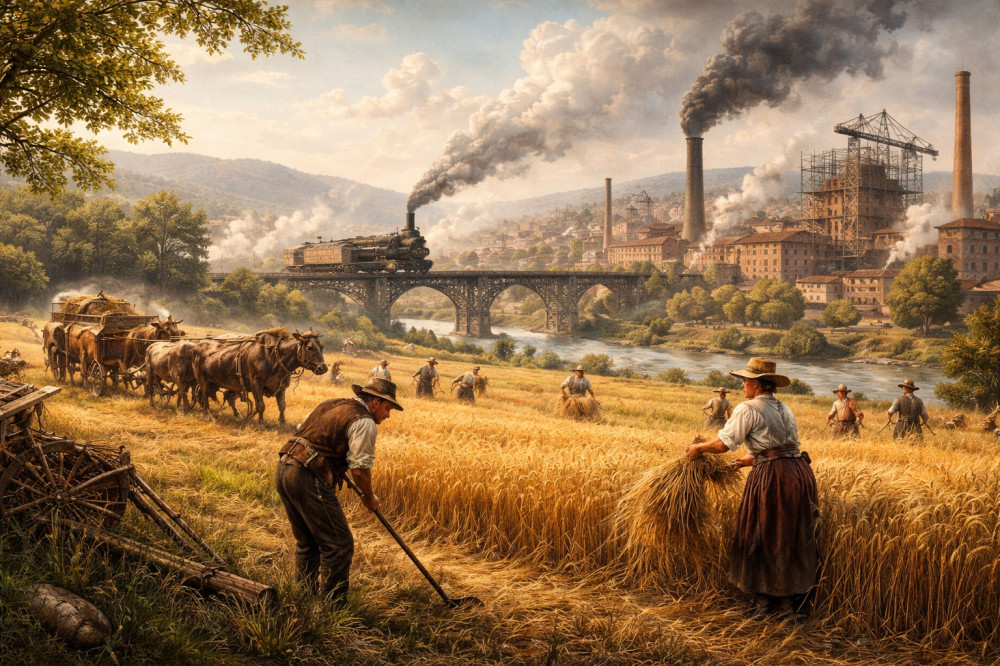
Part 1 (1861-1914) Between 1861 and 1914, the Italian economy underwent profound changes, shifting from a predominantly agricultural system to industrialisation, albeit with significant regional imbalances. In the first decades after unification, Italy was in a difficult economic situation: the country was fragmented, with poor infrastructure and a wide gap between the north and south.
READ MORE

Between 1861 and 1914, the Italian economy underwent profound changes, shifting from a predominantly agricultural system to industrialisation, albeit with significant regional imbalances. In the first decades after unification, Italy was in a difficult economic situation: the country was fragmented, with poor infrastructure and a wide gap between the north and south. Agriculture remained the dominant sector, but suffered from low levels of productivity, especially in the South, where large estates prevented adequate modernisation. The abolition of customs barriers between the former pre-unification states led to a more integrated national market, but also to numerous difficulties for the less developed regions.

From the late 1870s onwards, the government adopted protectionist policies to support domestic industry by imposing import duties. This encouraged the development of the steel, textile and mechanical engineering industries, especially in Lombardy, Piedmont and Liguria. Meanwhile, the construction of the railway network improved connections between different areas of the country, promoting domestic trade and economic integration. However, the south remained predominantly agricultural and less developed than the north. A crucial phenomenon in these years was the massive emigration to the Americas and northern Europe, due to poverty and a lack of job opportunities, especially in the southern regions. This phenomenon alleviated some of the demographic pressure and brought useful economic remittances to the families who remained in Italy.

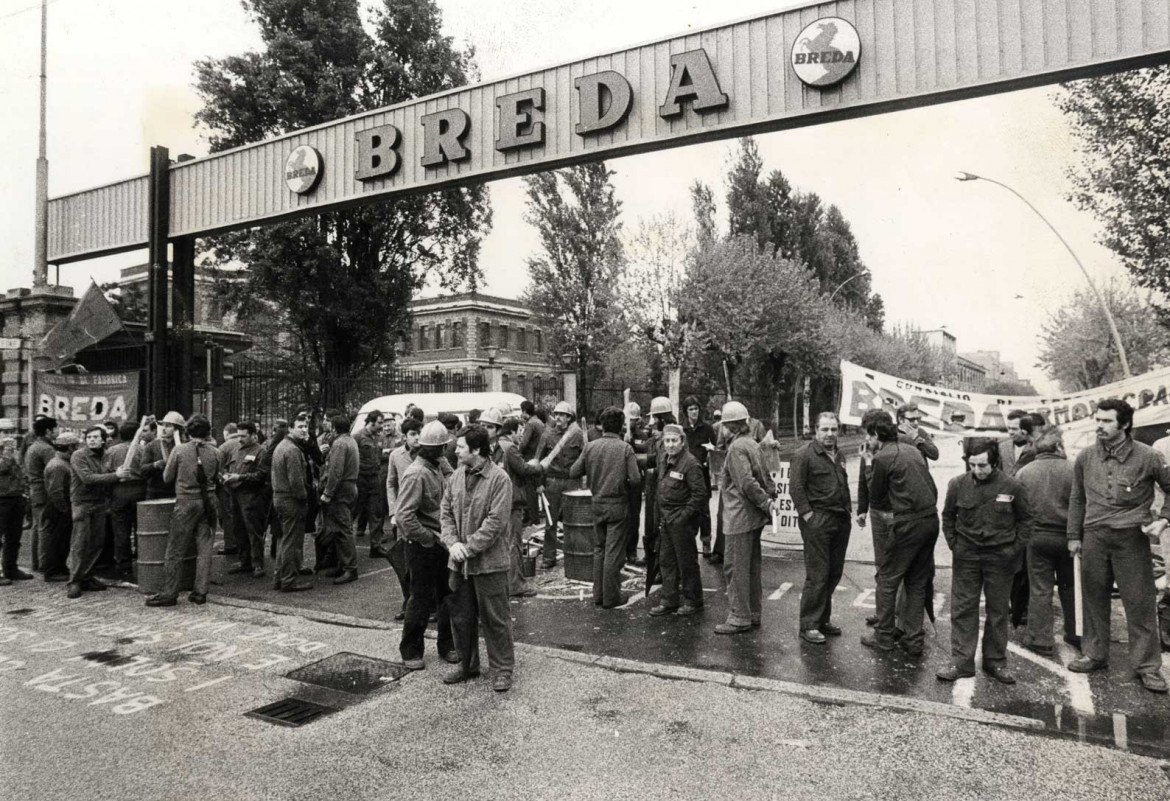
During the Giolitti era (1901-1914), industrialisation accelerated rapidly: sectors such as mechanical engineering, chemicals and electrical engineering developed rapidly, with the rise of large companies such as FIAT and Breda. Milan, Turin and Genoa became the country's main industrial centres. However, the North-South divide remained deep and unresolved, with the South in constant economic difficulty. By 1911, Italy was a nation on the path to economic modernisation, but with persistent social and regional inequalities that would influence its future development.

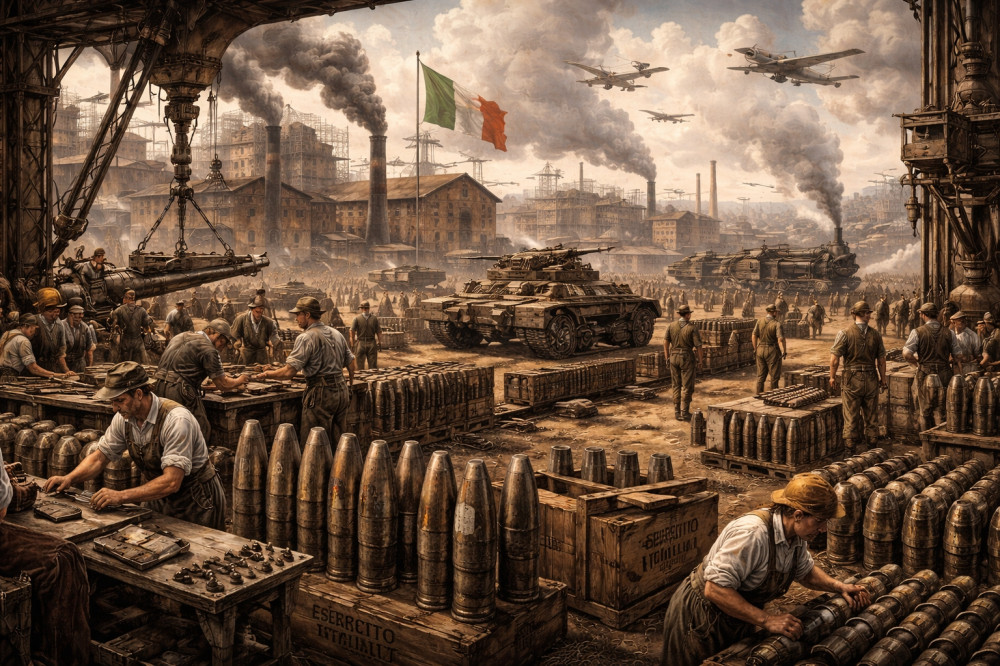
Part 2 (1914-1945) Between 1914 and 1945, the Italian economy was heavily influenced by wars, crises and interventionist economic policies. During the First World War (1915-1918), the war industry grew rapidly to support the military effort, leading to an expansion in steel, mechanical and chemical production. However, the conflict left the country with high levels of public debt, inflation and unemployment, which, in the immediate post-war period, contributed to serious social and political tensions.
READ MORE

Between 1914 and 1945, the Italian economy was heavily influenced by wars, crises and interventionist economic policies. During the First World War (1915-1918), the war industry grew rapidly to support the military effort, leading to an expansion in steel, mechanical and chemical production. However, the conflict left the country with high levels of public debt, inflation and unemployment, which, in the early post-war period, contributed to serious social and political tensions. In the 1920s, the fascist regime introduced economic policies aimed at state control and the creation of a system of economic autarchy. Major public works were promoted, such as the reclamation of marshlands, the construction of infrastructure and the expansion of state-owned companies, including the IRI (Institute for Industrial Reconstruction). However, Italy remained a fragile economy, with a wide gap between the industrialised north and the agricultural south.

The Great Depression of 1929 had a negative impact on the Italian economy, causing a decline in production and domestic demand. The government intervened with protectionist measures and support for businesses, nationalising many banks and companies in difficulty. Economic autarchy intensified in the 1930s, with the aim of reducing dependence on imports. This policy limited the country's innovation and competitiveness.

During the Second World War (1940-1945), the Italian economy underwent massive militarisation to support the war effort through industrial mobilisation. However, the scarcity of raw materials and production inefficiencies made it difficult to ensure the efficiency of the industrial apparatus. Allied bombing and German occupation destroyed infrastructure and production facilities, exacerbating the economic crisis. At the end of the war in 1945, Italy found itself in a dire situation: cities and industries destroyed, agricultural production reduced and a population impoverished. The country faced a difficult economic reconstruction in the post-war period.

Part 3 (1945-1965) From 1945 to 1965, the Italian economy went from post-war reconstruction to a period of extraordinary growth, which became known as the “economic miracle”. At the end of the war, Italy was a devastated country: its infrastructure was destroyed, inflation was sky-high and unemployment was rampant. The recovery began thanks to aid from the Marshall Plan (1947), which provided resources for reconstruction and industrial modernisation. At the same time, the government adopted economic stabilisation policies, encouraging public and private investment.
READ MORE

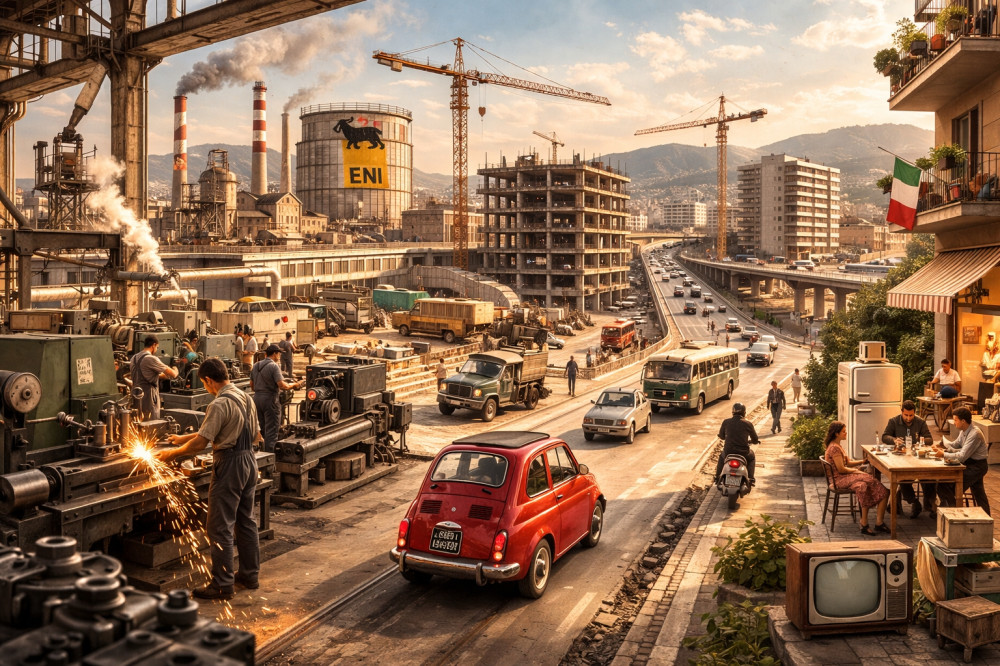
From 1945 to 1965, the Italian economy went from post-war reconstruction to a period of extraordinary growth, which became known as the “economic miracle”. At the end of the war, Italy was a devastated country: its infrastructure was destroyed, inflation was sky-high and unemployment was rampant. The recovery began thanks to aid from the Marshall Plan (1947), which provided resources for reconstruction and industrial modernisation. At the same time, the government adopted economic stabilisation policies, encouraging public and private investment.

In the 1950s, industrialisation accelerated, with strong growth in the automotive (FIAT), steel, chemical and electromechanical sectors. The creation of ENI under the leadership of Enrico Mattei promoted energy development, while large state-owned companies, such as IRI, played a crucial role in industrial expansion. The opening up of international markets, facilitated by Italy's entry into the European Economic Community (1957), stimulated exports and attracted foreign investment. The economic boom led to an increase in consumption and an improvement in living standards: the spread of cars, household appliances and televisions profoundly changed the customs and organisation of Italian society. However, economic growth was not uniform: the North-South divide widened, prompting millions of people to migrate from the southern regions to the industrialised North and expanding cities such as Milan and Turin.

The expansion of the service sector, urbanisation and technological progress consolidated the Italian model of development. The extremely rapid growth also led to imbalances, such as property speculation, pollution and social tensions. By 1965, Italy had become one of the world's leading industrial powers, with a changing society and a dynamic economy, but still characterised by regional and social inequalities.


Clothing and Accessories

Between the end of the 19th century and the economic boom, the clothing sector in Italy underwent significant evolution, transitioning from artisanal and local production to a modern and competitive industry. At the end of the 19th century, clothing was mainly made to measure by tailors and small workshops, with limited production linked to local needs. With the industrialisation of the early 20th century, the first textile factor...

Discover more >
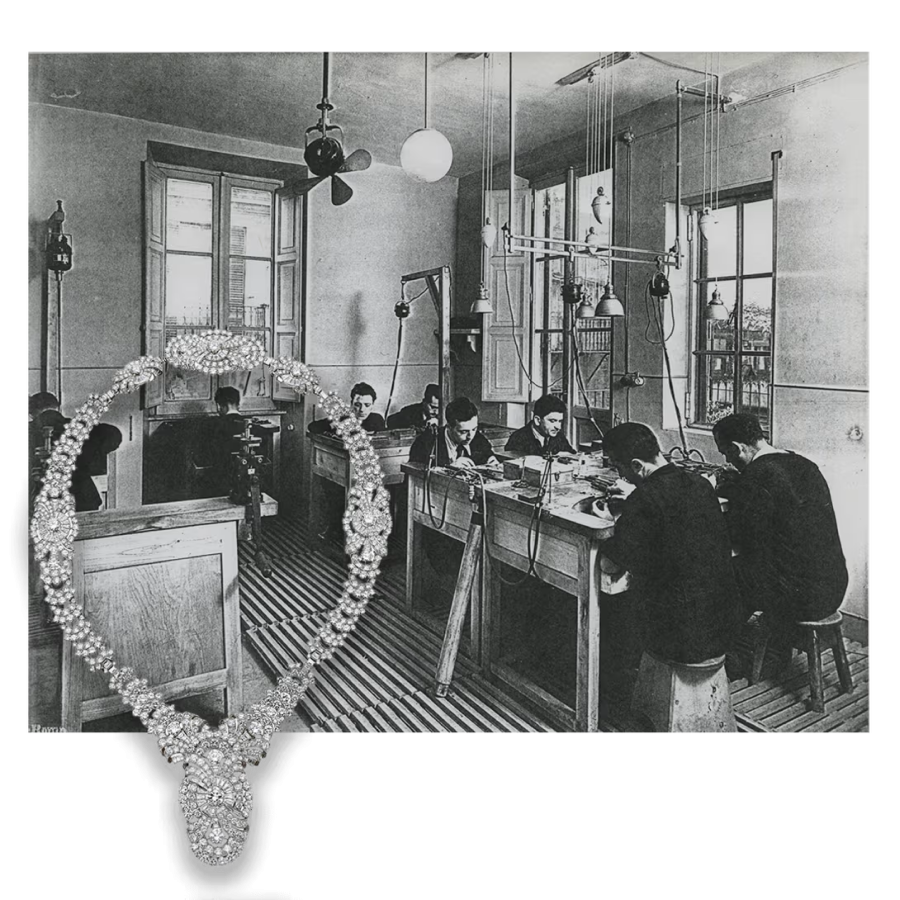
Food/Drinks

...

Discover more >
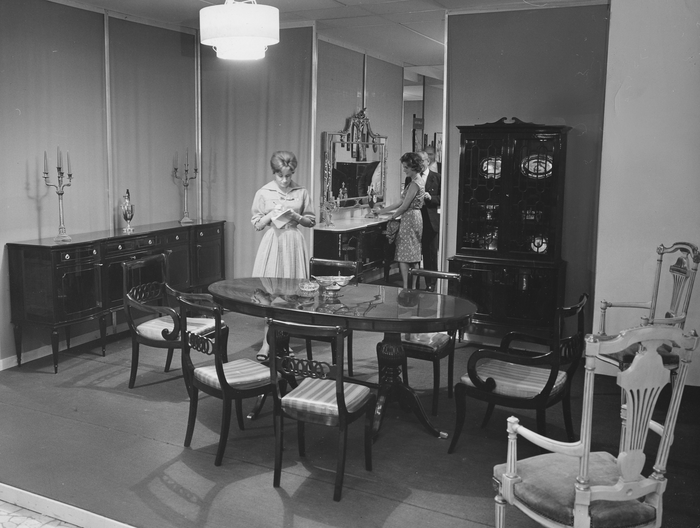
Furniture/Wood industry

...

Discover more >
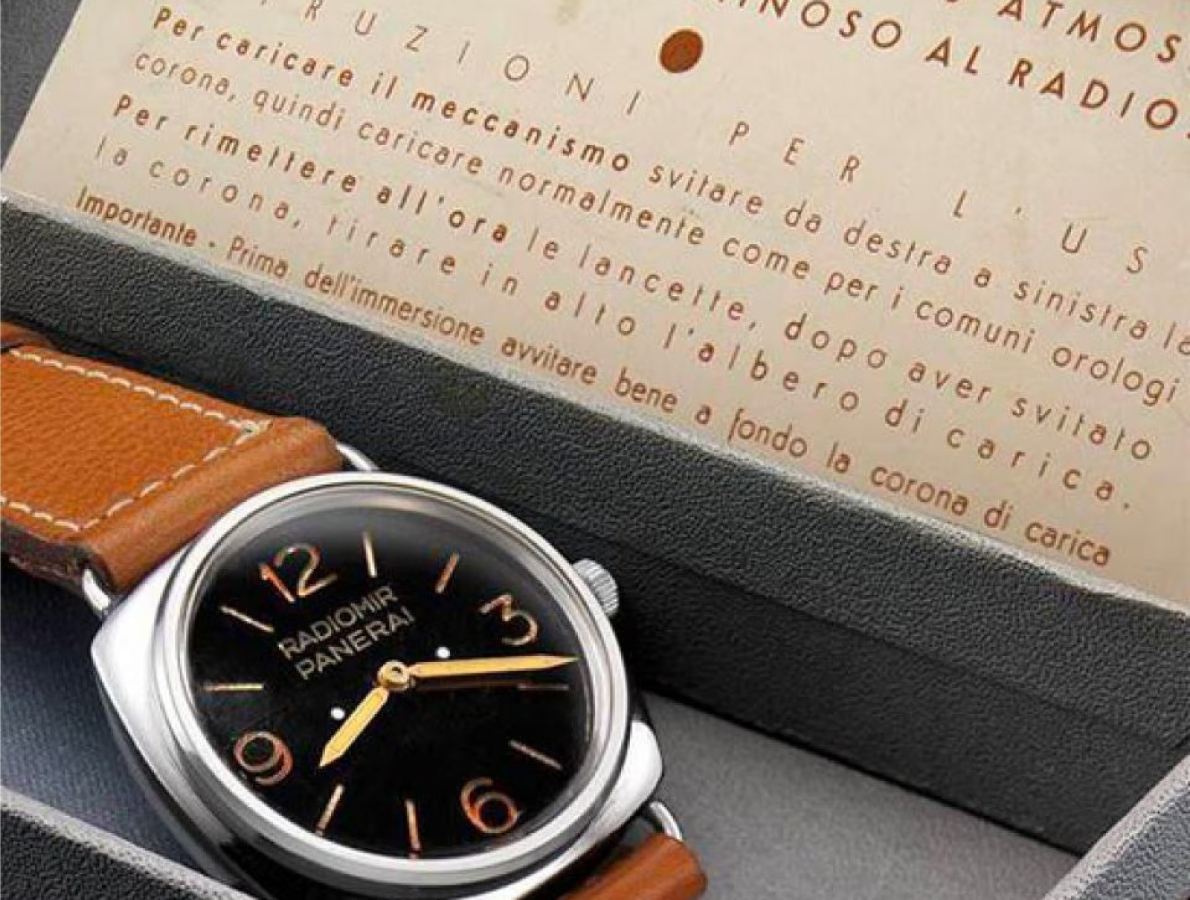
Biomedical

...

Discover more >

Footwear

...

Discover more >
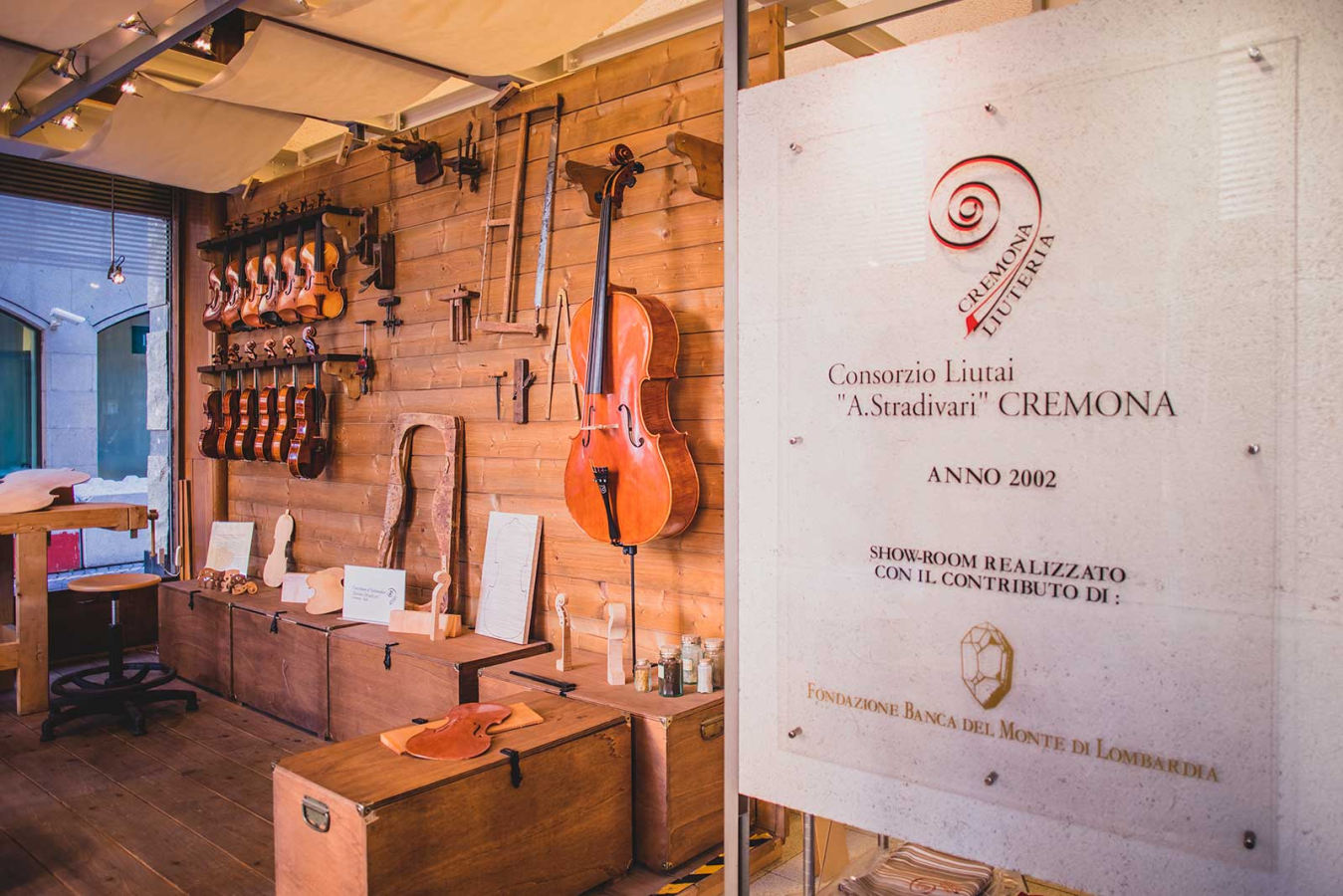
Stationery/Chancellery/Writing/Books/Prints

...

Discover more >
Housewares

...

Discover more >
Ceramic/Porcelain

...

Discover more >

Chemical

...

Discover more >

Cinematography and Photography

...

Discover more >

Building/Constructions

...

Discover more >

Electromechanics

...

Discover more >

Games/Sports

...

Discover more >

Packaging

...

Discover more >

Glass industry

...

Discover more >

Rubber industry

...

Discover more >

Leather industry

...

Discover more >

Electrical industry/Lighting

...

Discover more >

Other

...

Discover more >

Mechanics

...

Discover more >

Metallurgy

...

Discover more >

Means of transport

...

Discover more >

Goldsmiths

...

Discover more >

Optics

...

Discover more >

Agricultural and farming products/Livestock

...

Discover more >

Musical instruments

...

Discover more >

Tobacco/Smoking

...

Discover more >

Textile

...

Discover more >
This website uses cookies
We use cookies to personalise content and ads, to provide social media features and to analyse our traffic. We also share information about your use of our site with our social media, advertising and analytics partners who may combine it with other information that you’ve provided to them or that they’ve collected from your use of their services.
Necessary
Statistics
Allow all Allow Selection Deny
Cookie Settings
Necessary
Necessary cookies help make a website usable by enabling basic functions like page navigation and access to secure areas of the website. The website cannot function properly without these cookies.
Statistics
Statistic cookies help website owners to understand how visitors interact with websites by collecting and reporting information anonymously.