
Clothing and Accessories
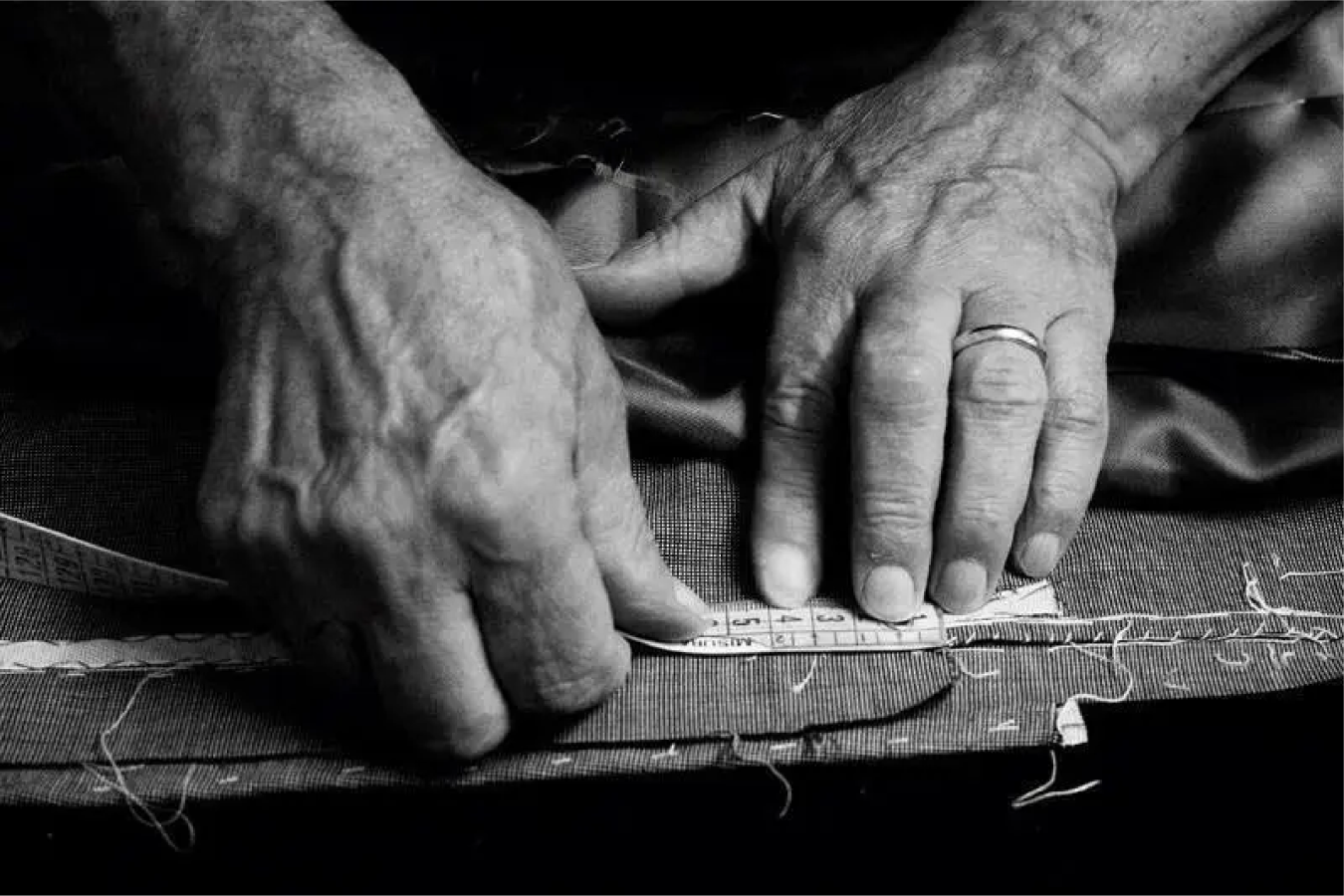
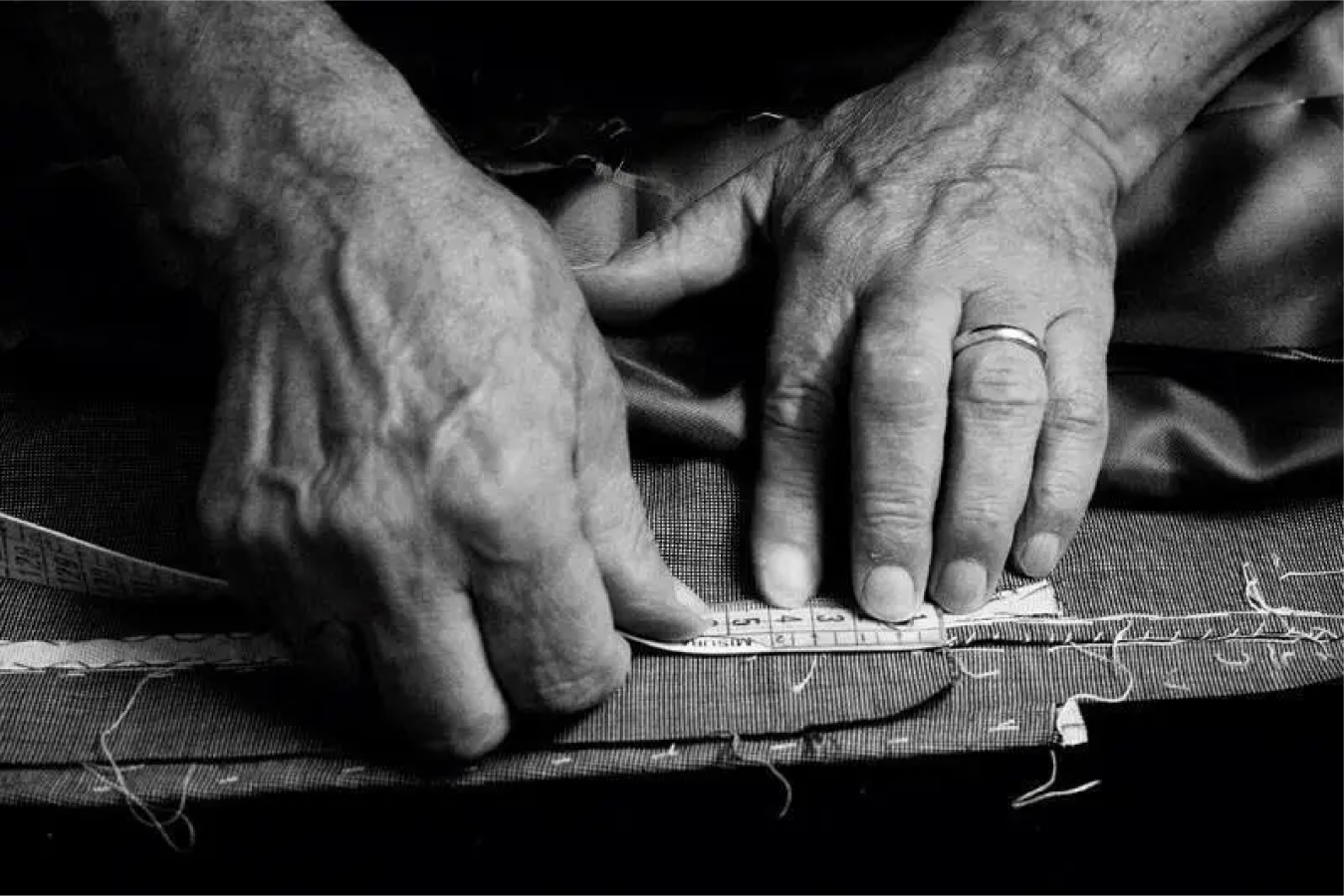
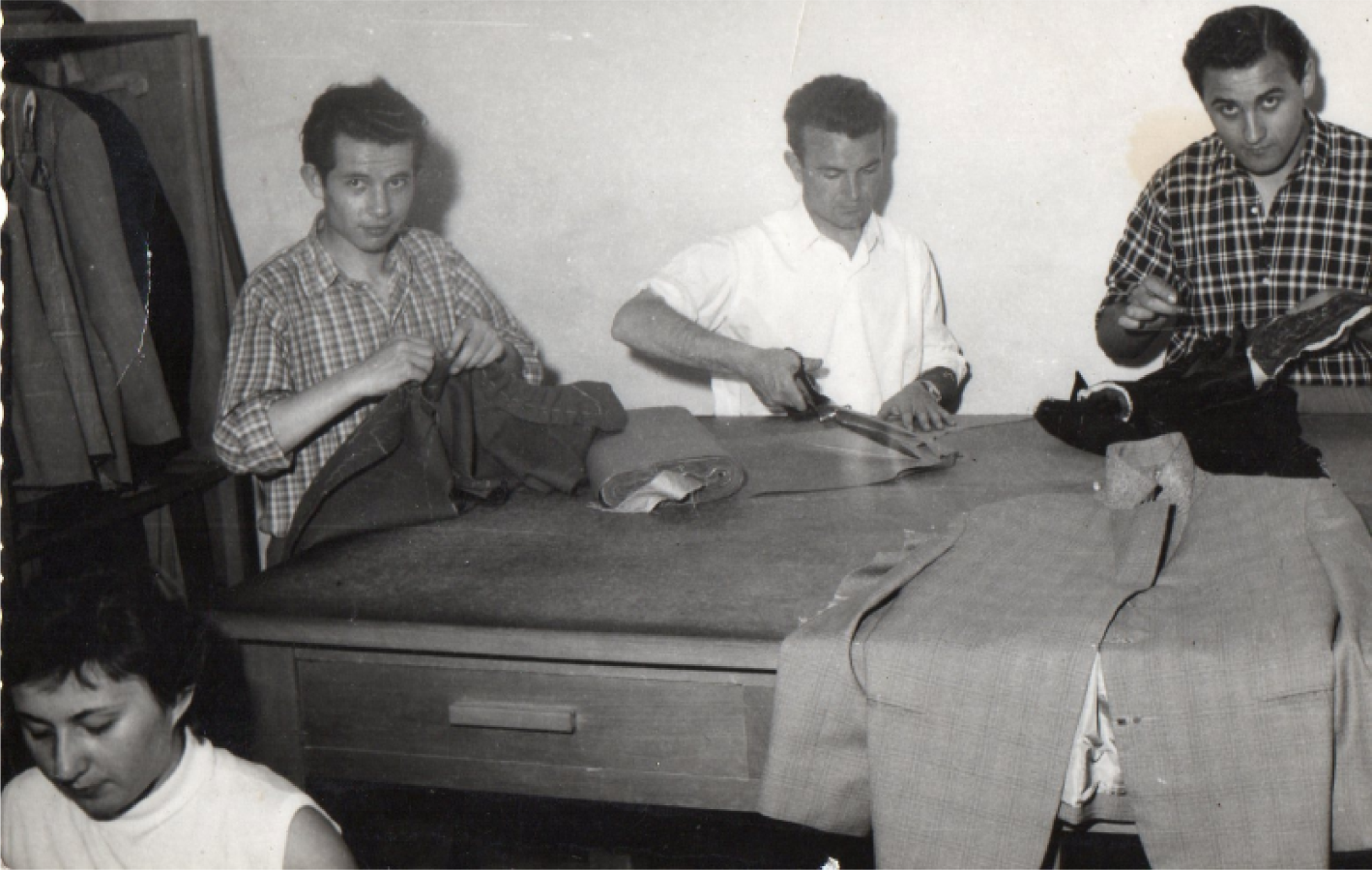
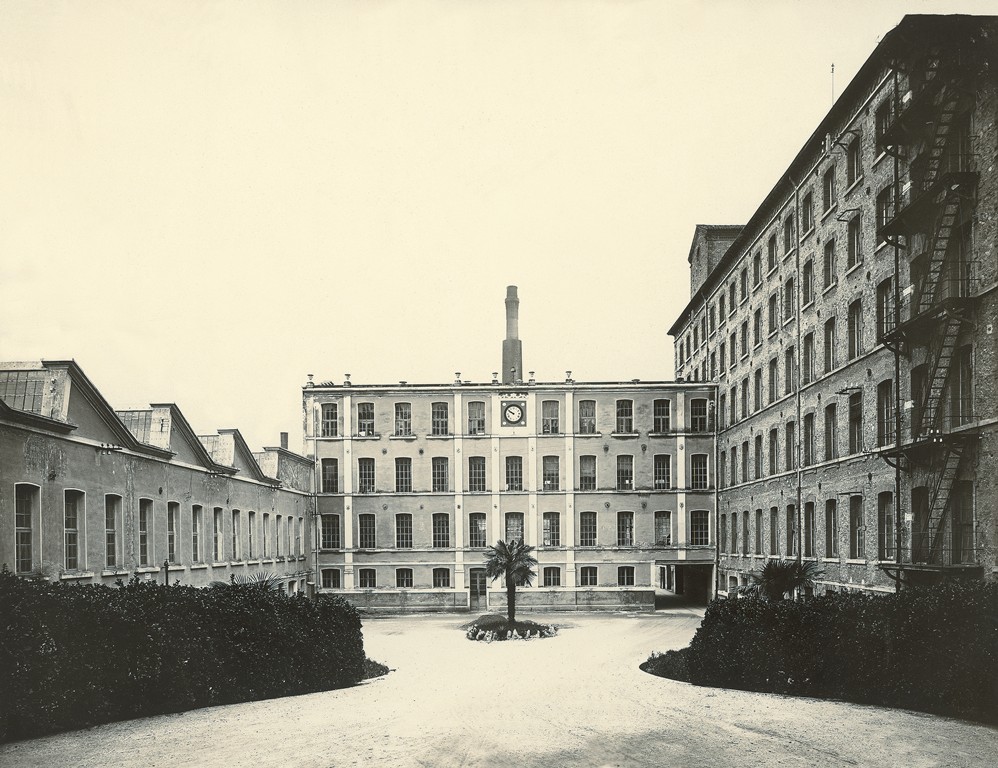
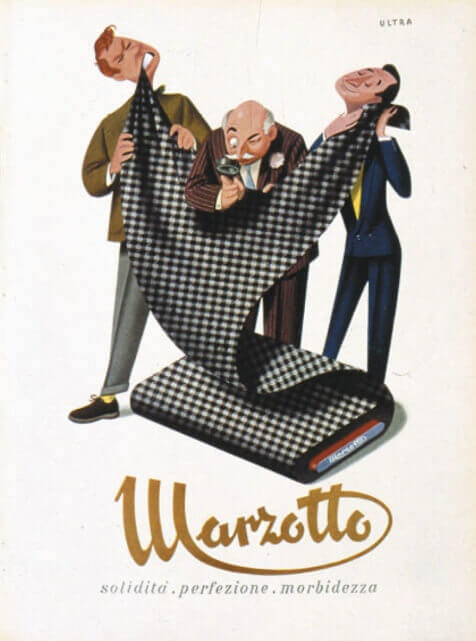
Between the end of the 19th century and the economic boom, the clothing sector in Italy underwent significant evolution, transitioning from artisanal and local production to a modern and competitive industry. At the end of the 19th century, clothing was mainly made to measure by tailors and small workshops, with limited production linked to local needs. With the industrialisation of the early 20th century, the first textile factories began to spread, favoured by the introduction of machinery and the adoption of standardised production models.
In the interwar period, the textile and clothing sector was supported by the autarchic policies of the fascist regime, which encouraged the use of domestic raw materials and domestic production. However, it was only after the war and the economic boom of the 1950s and 1960s that the clothing industry underwent a real transformation. Growing domestic demand, urbanisation and rising incomes favoured the spread of ready-to-wear fashion, with Italian brands beginning to emerge on the international scene.
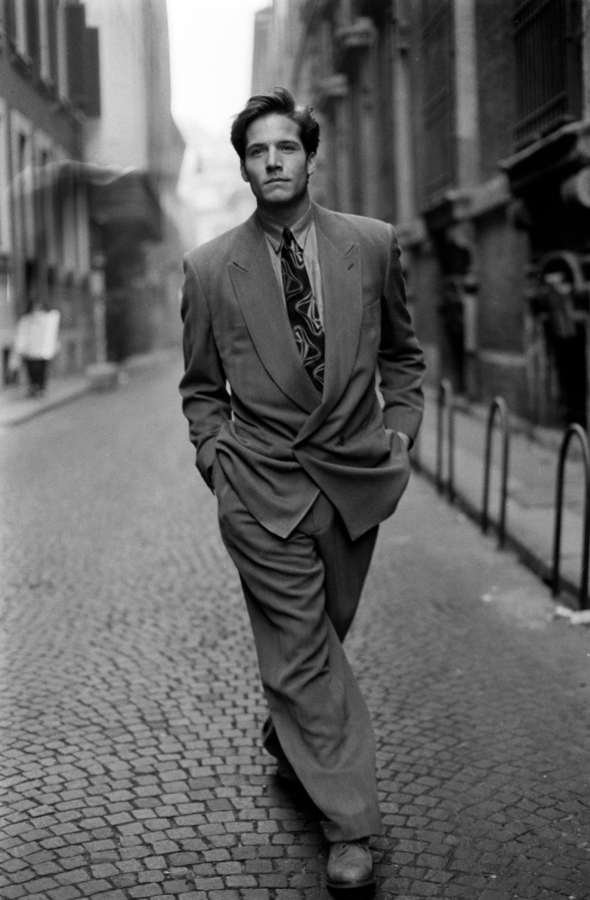
During this period, Italian fashion became synonymous with quality and creativity, laying the foundations for the success of “Made in Italy” in the clothing sector.